WaveMo: Learning Wavefront Modulations to See Through Scattering
Wavefront modulations and a lightweight feedforward “proxy” reconstruction network are jointly optimized to recover scenes obscured by scattering.
I received my Ph.D. in Electrical and Computer Engineering from Rice University in 2026, where I was supervised by Prof. Ashok Veeraraghavan at the Rice Computational Imaging Lab. Prior to that, I obtained my Bachelor’s degree from Huazhong University of Science and Technology. I am currently an Optical Engineer at Pico Lab, ByteDance Inc., where my work focuses on dynamic distortion and color correction for AR/VR devices.
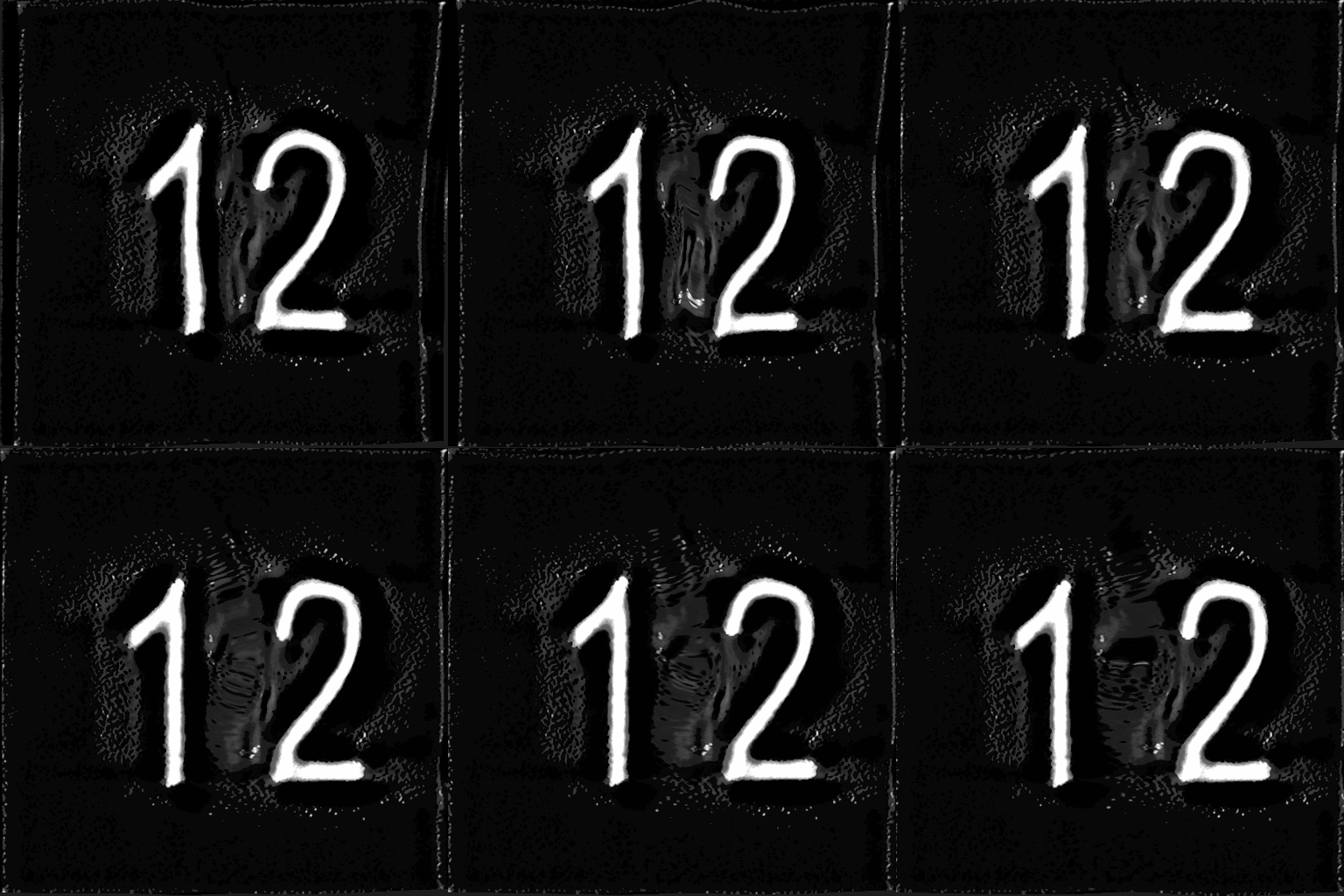
Wavefront modulations and a lightweight feedforward “proxy” reconstruction network are jointly optimized to recover scenes obscured by scattering.
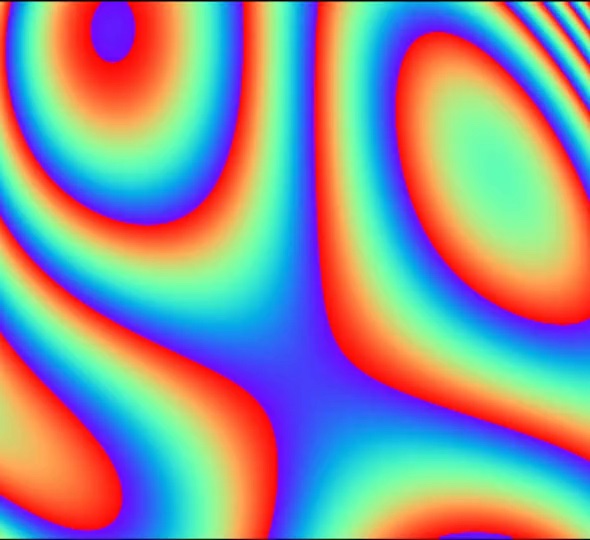
Neural signal representations enable breakthroughs in correcting for severe time-varying wavefront aberrations caused by scattering media.
Physics-based neural representations revolutionize FPM by significantly reducing image stack reconstruction times and data volumes, enhancing remote diagnostics and data efficiency.
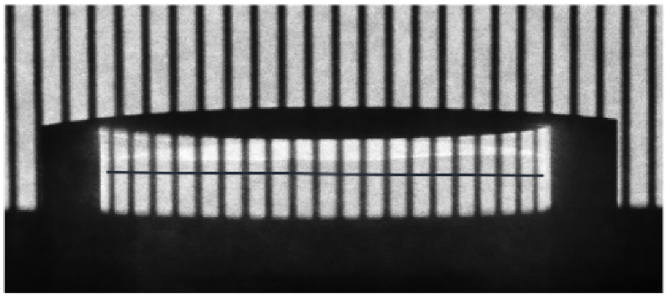
A light ray propagation model profiles 3D transparent objects by analyzing the local periodicity of distorted images.
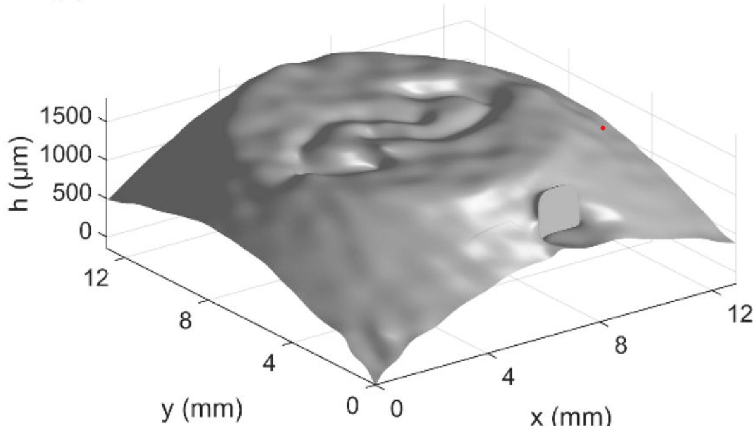
Moiré topography, enhanced by digital filtering and phase-shifting, achieves micron-level 3D surface mapping through robust single-image capture.
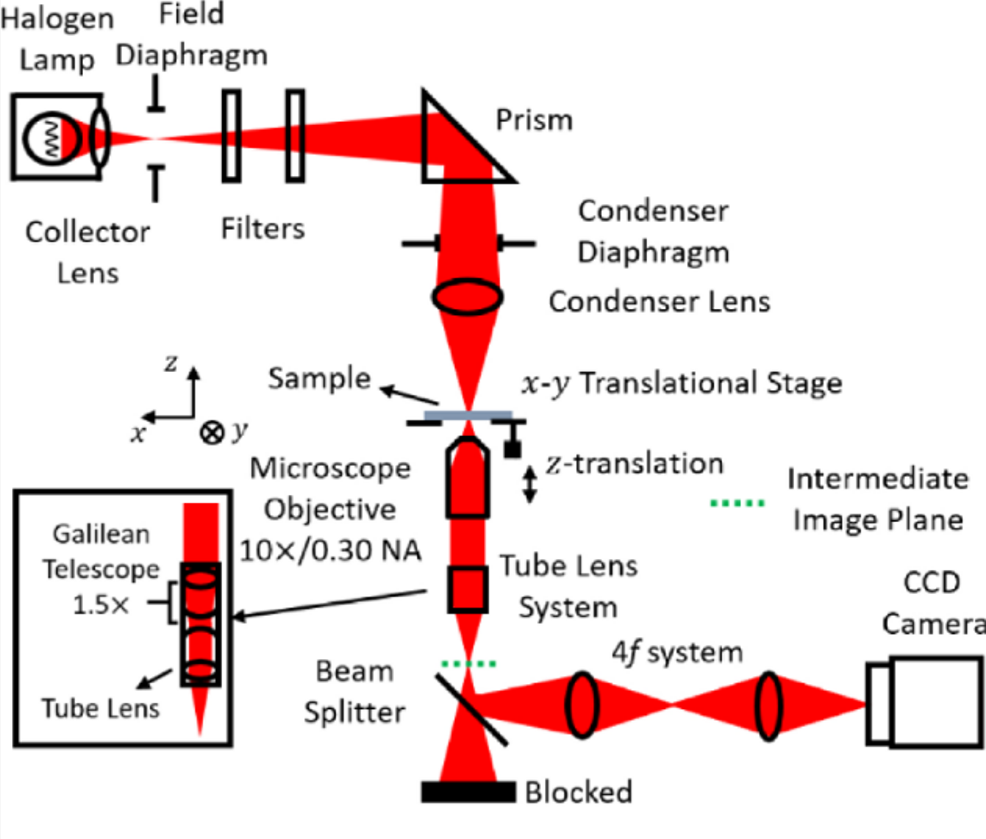
The integration of TIE and TPE through a non-recursive FFT-based approach enhances phase retrieval accuracy in optical field analysis.
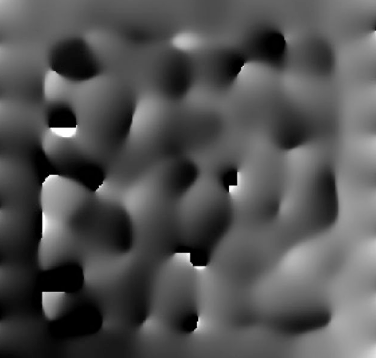
In additive manufacturing, digital holography, ptychographic imaging, and structured light uniquely address topographical measurement of reflective metals, supported by simulations and experiments.
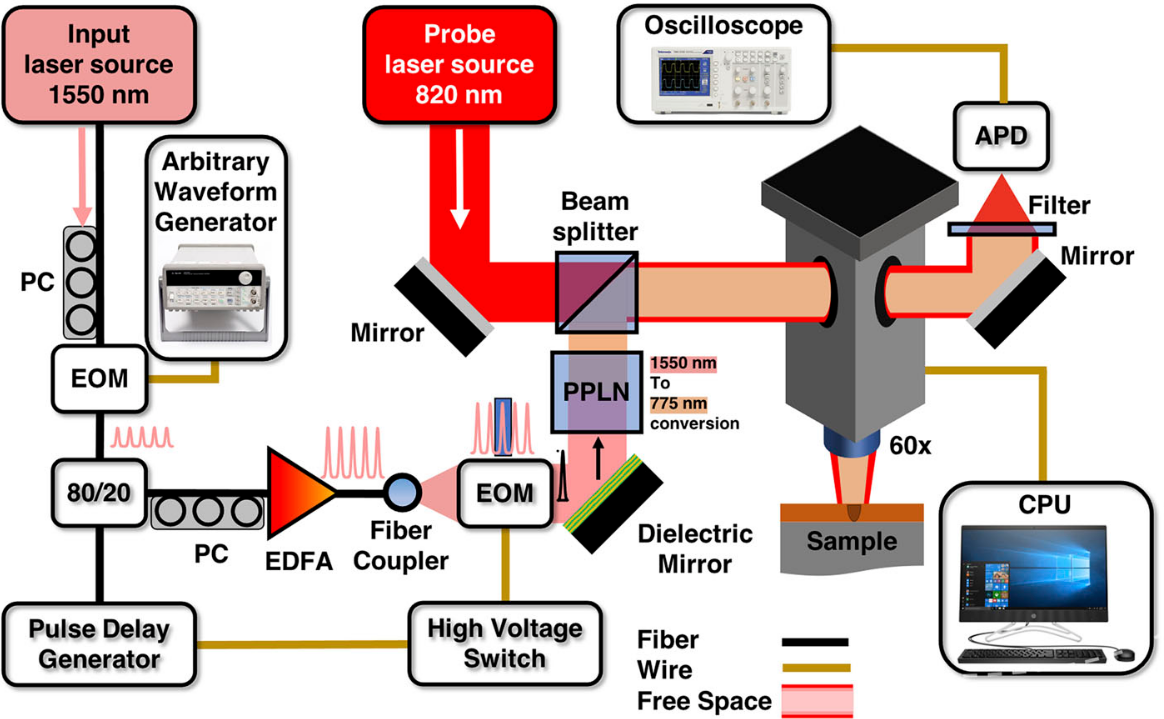
Multilevel responses of GeTe, GST, and W-GST to 1550 nm and 780 nm wavelengths show distinct application potentials based on film thickness and substrate interactions.
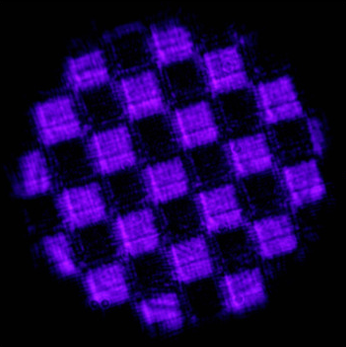
A metalens array in a maskless lithography system achieves high-resolution patterning by focusing light from designated micromirrors onto the photoresist.